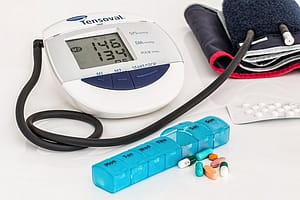

Opioid withdrawal can be one of the most challenging parts of beginning recovery. While many people understand that withdrawal is uncomfortable, they may not realize how unpredictable the symptoms can become without proper medical care. Every person’s experience is different, depending on the type of opioid used, the length of use, and their overall health. Having trained healthcare professionals monitor the withdrawal process helps reduce risks, improve comfort, and provide the support needed during this important stage. Medical supervision offers individuals a safer way to begin recovery while preparing them for the next steps in treatment.
Medical Professionals Can Respond to Changing Symptoms

Withdrawal symptoms often change throughout the detox process, which is why receiving opioid addiction treatment services under medical supervision is so valuable. Healthcare providers monitor vital signs, assess symptoms, and adjust treatment as needed to help patients remain as comfortable and safe as possible. Some people experience mild symptoms, while others may face more severe physical or emotional challenges. Having experienced professionals available allows concerns to be addressed quickly before they become more serious.
Withdrawal Can Affect Both Physical and Mental Health
Many people associate opioid withdrawal with physical discomfort such as muscle aches, nausea, sweating, and fatigue. While these symptoms are common, withdrawal can also affect emotional and mental well-being. Anxiety, depression, irritability, and difficulty sleeping may appear during the process, making recovery even more difficult without professional support. Medical supervision allows healthcare providers to monitor both physical and psychological symptoms, creating a more complete approach to patient care.
Medication Can Help Reduce Withdrawal Symptoms

One of the biggest advantages of medically supervised withdrawal is access to medications that help manage symptoms and reduce cravings. Depending on an individual’s needs, healthcare providers may recommend medications such as buprenorphine, methadone, or other appropriate treatments. These medications can ease discomfort, improve stability, and make the withdrawal process more manageable. Medical professionals also ensure that medications are used safely and adjusted when necessary throughout treatment.
Professional Care Helps Lower the Risk of Relapse
Withdrawal symptoms can become so uncomfortable that some individuals return to opioid use simply to stop the discomfort. This greatly increases the risk of overdose because a person’s tolerance may decrease after even a short period without opioids. Medical supervision helps manage withdrawal symptoms while providing encouragement and emotional support that can reduce the urge to return to substance use. Beginning treatment in a structured environment also helps individuals focus on long-term recovery instead of short-term relief.
Medical Supervision Creates a Strong Foundation for Recovery

Detox alone is rarely enough to achieve lasting recovery. Medical professionals use the withdrawal period to evaluate each person’s overall health, identify any co-occurring mental health conditions, and develop an individualized treatment plan. This planning allows patients to transition into counseling, behavioral therapy, medication-assisted treatment, or outpatient care without interruption. Starting recovery with a personalized plan increases the likelihood of maintaining long-term progress.
Every Recovery Journey Is Different
No two people experience opioid withdrawal in the same way. Factors such as age, medical history, type of opioid, frequency of use, and overall health all influence how withdrawal progresses. Medical supervision ensures that treatment is tailored to the individual’s unique needs rather than following a standard approach for everyone. Personalized care allows healthcare providers to make informed decisions that support both safety and recovery goals throughout the detox process.
Medical supervision plays an essential role during opioid withdrawal by helping individuals manage symptoms safely while reducing the risk of complications and relapse. With professional care, access to appropriate medications, and a personalized treatment plan, patients can begin recovery with greater confidence and stability. Taking this first step under medical guidance creates a stronger foundation for lasting recovery and improved overall well-being.…











 When it comes to healthcare, one size does not fit all. Each individual has unique needs and preferences, especially our elderly population. That’s where doctor-at-home services excel – in providing personalized care tailored to each patient’s specific requirements. With doctor-at-home services, elderly patients can enjoy the comfort and convenience of receiving medical attention from the comfort of their own homes. Gone are the long waits in crowded waiting rooms or rushing from one appointment to another. Instead, doctors come directly to them, offering a more relaxed and familiar consultation environment. In addition to convenience, personalized care means that doctors take the time to get to know their patients on a deeper level. They develop trusting relationships built on open communication and understanding.
 One of the key benefits of doctor-at-home services for elderly patients is improved medication management. As individuals age, they often take multiple medications to manage various health conditions. However, keeping track of different medications and their dosages can be challenging, especially for older adults with memory issues or difficulty reading small print. Doctor-at-home services provide personalized care that includes helping patients effectively manage their medications. With regular in-home visits from a healthcare professional, elderly patients can receive guidance on proper medication usage and avoid any potential drug interactions or side effects. The doctors can also help simplify medication regimens by identifying any duplications or unnecessary prescriptions.













 The first reason you should consider visiting a chiropractor is that they can help with headaches, neck pain, or any other type of injury. Chiropractors are trained to provide relief for people who suffer from back injuries, migraines, sciatica, and much more.
 It is also vital to note that chiropractic care can aid people suffering from chronic illnesses like asthma and diabetes. A person who suffers from any of these issues may not be able to take medications that help them with their condition, but chiropractic care helps many patients feel better without medication.
 A man’s sexual and athletic performance are in danger with low levels of testosterone. There will be difficulty of maintaining hard erections, premature ejaculation, and low sex drive. All these will affect your sexual performance, making you less satisfied on each sexual experience. Athletic prowess also decline as muscle strength and endurance will dip. With T-boosters, you will surely be satisfied with your performance whether be it in the bedroom or in the sports arena.
 While men should be happy about the benefits of testosterone boosters, they should also be wary of potential dangers. If you are have conditions or you are predisposed to them because of reasons like family history, taking T-boosters is not advisable. These conditions include;




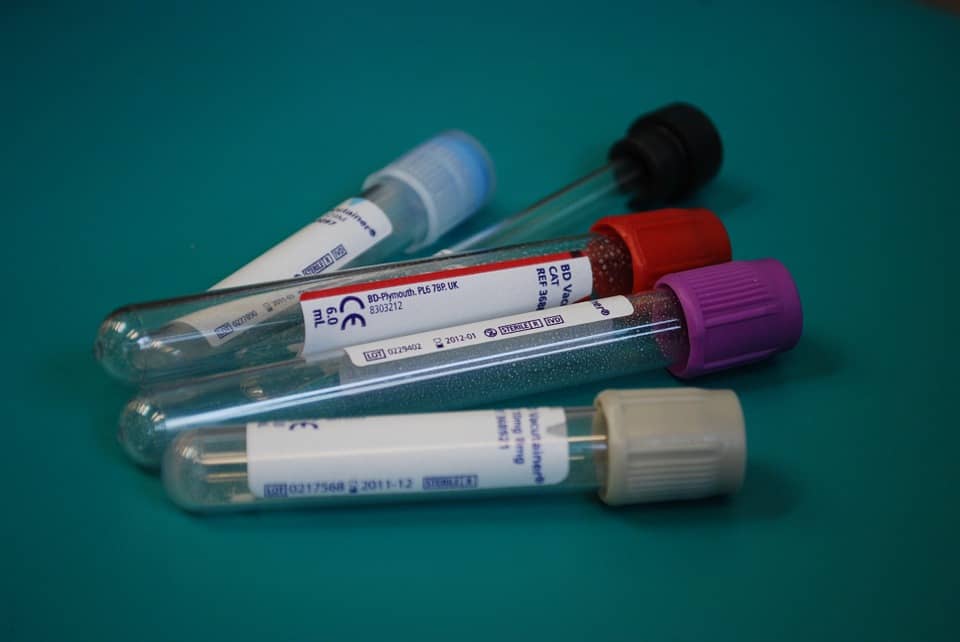
 These are supplements such as detox drinks, pills and other various marijuana detox kits that are meant to increase your urination rate. Frequent urination can help get rid of toxins from your system. However, this method may cause dehydration, and you will have to take lots of water to stay hydrated.